
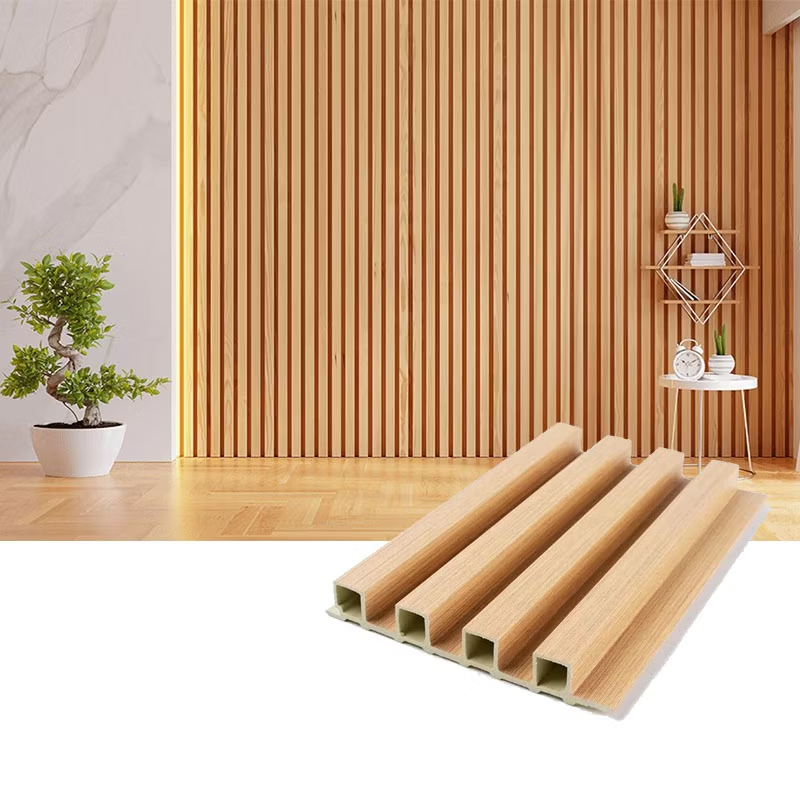
Executive Summary
PVC panels are rigid plastic panels used as a wall or ceiling finish in residential and commercial construction. They offer superior waterproofing and durability compared to tile or paint, with an expected lifespan of several decades. Made of polyvinyl chloride (PVC), these panels are inherently mold- and rot-proof and do not absorb moisture, making them ideal for bathrooms, kitchens, basements, and exterior siding. The leading suppliers note that high-quality PVC panels “never rot, warp or have to be repainted,” with service lives of 40–50 years in many cases. They also provide excellent insulation properties and fire resistance when properly formulated.
Key benefits of PVC panels include low maintenance (wiping clean with detergent is usually enough), rapid installation (large panels fit together easily, often by one person), and a wide range of aesthetic finishes (woodgrain, marble-look, textured or glossy colors). In this blog, we dive deep into PVC panels: covering their composition and uses, major advantages, comparisons to other materials (like ceramic tile, wood, and FRP panels), basic installation advice, design ideas, maintenance tips, and common FAQs. This comprehensive guide is aimed at contractors, architects/designers, and informed homeowners worldwide. The information is based on industry sources and East Building Group’s expertise in PVC panels, though no specific source links are included in this post.
Introduction: What Are PVC Panels?
PVC panels are plastic panels made primarily of polyvinyl chloride, a thermoplastic polymer. They come in various formats – sheets, tongue-and-groove planks, or hinged panels – to cover walls and ceilings. Manufacturers produce panels for indoor use (bathrooms, kitchens, living areas) as well as outdoor use (roof soffits, exterior cladding). PVC panels attach to studs or existing walls to form a continuous, decorative, waterproof surface.
Their key characteristic is their non-porous, waterproof nature. Unlike wood, drywall or fiber-based materials, PVC will not swell, warp or grow mold when exposed to moisture. This makes it popular for hygienic environments like medical facilities, food preparation areas, and showers. Modern PVC panels often include stabilizers and additives for UV resistance and fire retardancy, allowing them to safely coat high-humidity areas. The global manufacturer East Building Group highlights that their PVC panels are used in homes and offices worldwide, underscoring the material’s versatility and reliability.
In summary, PVC panels serve as an alternative to traditional finishes: they protect surfaces while adding style, all with minimal upkeep. They can mimic expensive materials (e.g. faux wood or stone), yet offer the convenience of plastic. This guide will explore why PVC panels are a smart choice for many construction projects.
Benefits of PVC Panels
PVC panels offer a broad range of advantages:
- Exceptional Durability: High-grade PVC panels last for decades without degrading. Unlike wood or drywall, PVC is impervious to rot, termites, and most chemicals. Industry sources consistently cite service lives around 40–50 years for well-made panels. This long life is due to the material’s toughness and chemical stability. In fact, PVC’s strength and virgin-resin composition make it resistant to fire, moisture and impact. High-quality panels often come with manufacturer warranties of 20+ years. Over the panel’s lifetime, homeowners or businesses rarely need to replace them, lowering total maintenance cost.
- 100% Waterproof & Hygienic: PVC panels are completely water-tight. The panel surfaces (and their seams) do not allow water penetration, so they are ideal for wet areas. For example, a “sparkle” PVC bathroom wall panel can be wiped down to remove soap residue, and because there is no grout between boards, mold cannot easily form. In general, PVC panels do not absorb moisture or trap mold. This makes cleaning and sanitation trivial—just wipe with a mild cleaner. Their smooth, non-porous finish is often labeled “easy clean” or “hygienic”, attracting use in hospitals and restaurants where cleanliness is critical.
- Low Maintenance: Beyond periodic cleaning, PVC panels require almost no upkeep. They do not need painting, sealing, or refinishing. The color and texture are inherent to the panel. UV-stabilized PVC holds its color even in sunlight. Because they are waterproof, you never have to repaint or reseal, even outdoors. Even after years, PVC panels can look almost new—dirt simply wipes off. In comparison, wood trim or painted drywall would need sanding, priming and repainting over time. With PVC, the only maintenance might be tightening fasteners or re-caulking joints after many years.
- Lightweight & Easy Installation: PVC panels are relatively light (commonly 8–12 mm thick) and often install with simple tools. They may snap together or be glued/screwed in place. Typical installation tools are a utility knife, level, drill or nails, and silicone sealant. Because each panel is large, wall coverage is fast. A skilled installer (or savvy DIYer) can mount panels much quicker than laying tile. For example, a 4×8 foot PVC panel can cover almost the same area as dozens of tiles. Many manufacturers note that PVC panels can be installed by one person, without the need for plasterers or tilers. This rapid, one-man installation saves on labor costs and project time. East Building Group’s guides emphasize measuring and cutting the panels precisely, then affixing them with panel adhesive or screws. The simplicity of the process appeals to contractors who value speed and cost-efficiency.
- Thermal & Acoustic Performance: As a rigid plastic, PVC has a lower thermal conductivity than metal or glass, offering some insulation. Panels installed on exterior walls or under roof soffits help moderate heat transfer. This can slightly reduce heating/cooling loads. Similarly, PVC panels add mass to walls, dampening sound transmission. In many interiors, the panels help make spaces acoustically quieter than bare drywall or metal cladding. These benefits, while secondary, contribute to comfort in homes and offices.
- Versatile Aesthetic Options: PVC panels come in an extensive range of colors, finishes, and patterns. Woodgrain laminates give the look of timber without the problems of wood. Stone, marble, or metallic finishes allow elegant interior designs at lower cost. Textured and 3D panels create modern accent walls. Glossy white or colored panels brighten rooms and reflect light. Specialty finishes (like glittering “sparkle” panels for glamorous bathrooms) are even available. Because PVC panels are extruded, manufacturers can produce custom profiles too (fluted or grooved designs). The upshot is you can achieve nearly any style—from classic to contemporary—with PVC. Interior design blogs note that trends in 2025-26 include wood-like PVC planks for warmth, and large-format textured panels for minimalistic aesthetics. The wide choice of textures and patterns means architects and DIYers can match panels to any décor theme.
In short, PVC panels merge functionality and style: they protect your surfaces while offering endless design choices.
Comparing PVC Panels to Other Materials
When deciding on wall or ceiling materials, it’s important to compare PVC panels with alternatives:
- PVC vs. Ceramic Tile: Both are waterproof, but PVC has no grout lines to seal or clean. Tiles require skilled installation and grout maintenance; PVC installs quickly by one person and wipes clean effortlessly. If a PVC board is scratched or cracked, it can be swapped out, whereas broken tiles are tedious to replace. In bathrooms and kitchens, PVC panels achieve a seamless look and speed up renovation times. For example, replacing a tiled backsplash with PVC panels avoids grouting and can be done in a single day. On cost, PVC panels often match or undercut tile once labor is counted.
- PVC vs. Painted Drywall: Standard drywall is not moisture-resistant and requires frequent repainting or maintenance. PVC panels, by contrast, can cover drywall to waterproof it. Unlike wallpaper or paint, PVC panels hide wall flaws and stay pristine for decades. Painting every few years is avoided. Drywall may be cheaper initially, but the life-cycle cost of PVC can be lower since you save on paint and mold-remediation over time.
- PVC vs. Wood/Laminates: Real wood paneling or siding can warp and rot in damp conditions. PVC has the look of wood (through laminates) but will never warp, termite or rot. It also needs no varnish or paint like wood. Moreover, PVC is generally lighter and cheaper per square meter than hardwood paneling. Where wood adds value through natural beauty, PVC adds value through durability and ease.
- PVC vs. Fiberglass-Reinforced Plastic (FRP): FRP wall panels have been used in commercial settings, but PVC offers key advantages. FRP typically needs a backing material (plywood or drywall) and strong adhesive, making installation messy. PVC panels are often designed to attach directly to studs without backing. Importantly, PVC panels are fully moisture-proof: FRP can absorb water at cut edges and may delaminate. Duramax, a leading brand, highlights that PVC panels install faster (no backing board needed) and cost significantly less in labor. In one cost comparison, PVC walls could be installed by one person at a fraction of the labor cost of FRP (two-person job with adhesives) for the same area. PVC also resists warping and mold better. Many PVC panels meet Class A fire ratings (non-combustible) while similar FRP products may only meet Class C or D. Overall, PVC is often chosen over FRP for a simpler, more reliable wall cladding system.
- PVC vs. Composite (WPC)/Vinyl Siding: Wood-plastic composites and vinyl siding are other weatherproof cladding options. PVC panels (made of 100% PVC) tend to be harder and more impact-resistant than the hollow or foam-core vinyl panels. Quality PVC panels also have higher temperature tolerances. For example, white PVC cladding remains stable in sun without as much expansion as vinyl. Also, PVC panel installs indoors by gluing or snapping, whereas vinyl lap siding typically nails on. The trade-offs are subtle, but PVC panels give a more rigid and seamless surface.
Each material has its use-cases, but PVC panels stand out in moisture-prone applications and where quick install is needed. Contractors increasingly specify PVC over alternatives for bathrooms, kitchens, laboratories and exteriors due to these benefits.
Installation Overview
Installing PVC panels is generally straightforward. Basic steps are:
- Surface Prep and Measurement: Ensure walls/ceilings are clean, flat and dry. Use a tape measure and level to map the area. Measure carefully so panels can be cut to size with minimal gaps. East Building recommends precise measurements, especially if covering uneven walls.
- Cutting the Panels: Panels can be cut with a sharp utility knife, fine-tooth saw or circular saw (use a protective mask for dust). Cut panels to fit around outlets, windows, corners, and at top/bottom edges.
- Fastening: Depending on panel type, you can use adhesive or mechanical fasteners:
- Adhesive: Apply PVC-compatible adhesive to the back of the panel in a zig-zag pattern. Press the panel onto the wall or ceiling and hold briefly. This method gives a continuous bond over the area. Use clear silicone on seams for watertightness if needed.
- Mechanical (nails/screws): Many PVC panels snap together. Secure them by nailing or screwing through the top edge into studs or furring strips. Hidden clips or nail-in cleats can hold panels tightly. Always use corrosion-resistant fasteners to prevent rust stains.
- Joining Panels: PVC panels typically have tongue-and-groove or shiplap edges. Interlock the edges of adjacent panels. Ensure seams are tight. If a tongue-and-groove system is used, apply a small bead of silicone in the groove before joining for a seal.
- Finishing Touches: Install trim pieces (corner L-trims, J-channels, end caps) at outer edges, corners, and transitions to cover panel ends and give a clean look. Seal perimeter edges with silicone to prevent moisture ingress. Ensure expansion gaps at ends (PVC can expand ~2 mm per meter in hot weather).
Design Ideas & Applications
PVC panels unlock creative interior and exterior applications:
- Bathroom & Kitchen Walls: PVC panels are ideal for moisture-heavy rooms. In bathrooms, sleek white or stone-effect panels make showers and tubs look modern while keeping mold away. In kitchens, decorative PVC backsplashes protect walls from splashes. The seamless, grout-free surface is hygienic and easy to clean. For example, “sparkle” PVC panels (with embedded glitter) are trendy in luxury bathrooms. Feature wall panels can add style – imagine a living room accent wall in warm woodgrain PVC or a glossy marble-look panel behind a sink.
- Ceilings and False Ceilings: Besides walls, PVC panels suit ceilings. They can cover unsightly old ceilings or form new drop ceilings. Bright white PVC ceiling panels reflect light, making rooms feel larger and more open. Specialized panels exist for suspended ceilings or attic conversions. They resist humidity so they won’t peel or sag like wallpapered ceilings might.
- Commercial & Industrial Spaces: In restaurants, hospitals and labs, PVC wall cladding is favored. A PVC-clad commercial kitchen, for instance, requires only a quick wipe of soap to sanitize walls; no grout means bacteria have nowhere to hide. Industrial facilities use textured PVC panels (often ribbed or fluted) that withstand impacts and are easy to wash. Sound studios sometimes use acoustic PVC panels internally to dampen noise. Retail stores use colorful PVC feature walls for branding themes.
- Exterior Soffits and Siding: Outdoor applications include soffits (under roof eaves), which require ventilation. Perforated PVC soffit panels allow air flow and protect rafters from pests. They replace wood or aluminum soffits without risk of rot. Walls and facades can also use PVC cladding panels, especially in low-rise buildings. Quality exterior PVC panels are UV-stabilized; they act as a weather barrier against rain and wind. In cold climates, PVC helps with insulation. For example, PVC soffits can complement gable vents to maintain attic ventilation. Note: building codes may limit PVC on very tall structures due to fire regulations, so always check local requirements.
- DIY & Rental Upgrades: Because panels can cover existing surfaces, they are popular for quick remodels. A landlord might install PVC panels in a rental bathroom to prevent tenants from damaging walls. Home DIYers might transform a dated basement by paneling the walls instead of drywall mudding. PVC’s ability to be installed over old tile or paneling speeds up renovations.
Maintenance and Care
Keeping PVC panels looking new is easy:
- Cleaning: Just wipe with water and mild soap or non-abrasive cleaner. Stubborn stains (e.g. grease) lift off easily. There’s no need for special treatments. Because the plastic is non-absorbent, spills and splashes do not penetrate; they simply wipe away. Many installers note that even untrained staff can restore PVC walls by routine wiping.
- No Paint or Sealant Needed: PVC never needs to be painted or resealed. The surface color won’t fade or chip off. In fact, East Building highlights that their panels “never rot, warp or have to be repainted.” This lack of maintenance (no repainting every few years) is a major cost and time saver.
- Damage Repair: If a panel does get deeply scratched or dented, it can be removed and replaced without disturbing adjacent panels. Because installations use interlocking edges or trim, changing one board is straightforward. Small scratches may also be buffed out gently or covered by trim.
- Preventive Tips: Use non-corrosive fastening (so screws don’t rust), and allow for slight expansion in wide runs (leave a few millimeters gap at edges). In kitchen or laundry areas, avoid extremely hot appliances pressing directly on the panels. But generally, PVC’s durability means you can treat it like any hard surface.
FAQs and Technical Notes
Q: What is the lifespan of PVC panels?
A: With quality material and proper installation, PVC panels last for decades. Industry experience shows a life of 40–50 years in most conditions. Their longevity comes from resistance to moisture, chemicals, and UV light. Basic upkeep (keeping them clean and secure) ensures they will outperform typical drywall or wood paneling.
Q: Are PVC panels safe and fire-resistant?
A: Yes. PVC is inherently fire-retardant because of its chlorine content. Many PVC wall panels meet Class B or even Class A fire ratings (meaning limited flame spread). In practice, this means a PVC-clad wall will self-extinguish rather than fuel a fire. Local codes may restrict PVC use above certain heights (often over 3–4 stories), so check your building regulations. For interior uses, PVC panels are comparable in fire safety to many synthetic materials.
Q: Can I use PVC panels on exterior walls?
A: Properly formulated PVC panels can be used outdoors (for soffits, siding, etc.). They are UV-stabilized and weatherproof. However, they expand slightly in sun and cold, so install with expansion gaps. In cold climates, panels will not become brittle (PVC remains slightly flexible). Always use exterior-grade PVC and approved accessories when installing outdoors.
Q: How do PVC panels compare environmentally?
A: PVC’s eco-impact is debated: manufacturing uses chlorine and may involve plasticizers. But PVC panels are 100% recyclable at end-of-life and very long-lasting (reducing waste). High-quality panels often contain recycled material. Some manufacturers use lower-impact additives and reclamation programs. Compared to one-time-use claddings, the long life of PVC means less frequent replacement. For green building, look for panels certified free of VOCs and made with reused PVC.
Q: What maintenance do PVC panels need in high-use areas?
A: Very little. Even in restaurants or hospitals, routine cleaning with standard detergents is enough. PVC does not harbor germs. For extra hygiene, plain hot water cleans surfaces well. Occasional inspection of edges and fasteners suffices. Unlike wood, you do not need to sand or refinish it. If installed correctly, PVC panels give you years of trouble-free service in both wet and dry environments.
Conclusion
PVC wall and ceiling panels offer a reliable, low-maintenance, and attractive finishing solution for a wide range of projects. They combine the durability of plastic (no water damage or rot) with versatile styles (from faux-wood to elegant marble looks). Modern PVC panels install quickly and clean up with minimal effort, saving time and money over tile or paint. For builders, contractors, architects and homeowners looking for a practical yet stylish cladding, PVC panels are a proven choice. When considering a remodel or new construction, remember that a well-installed PVC panel wall can outlast many conventional materials and keep looking great with almost no upkeep.
About the Author (East Building Group): Haining East Building Group is a global PVC building materials manufacturer. We specialize in high-quality PVC wall, ceiling and cladding panels for residential and commercial projects.
